
Rapid Prototyping Services for Product Development
Transform your concept models into production-quality prototypes with 3D printing, CNC machining and urethane casting.
- Fast Lead Times
- Production Quality
- Engineering Support

Your Reliable Rapid Prototyping Company
RpProto is a full-service rapid prototyping company in Xiamen, China. We has over 20 years of manufacturing experience and provide Cost-effective Prototyping Services.
Our prototyping capabilities include 3D printing, CNC machining, urethane casting, rapid injection molding, sheet metal fabrication, etc.
RpProto produces high-quality, low-cost prototypes, and make your designs real product in a few days. Customers all over the world rely on us for high-quality, quick-turnaround, and cost-effective manufacturing services.
- Concept models to production-grade parts
- High-quality prototypes for testing & validation
Rapid Prototyping for Product Development
Our rapid prototyping services support your entire product development journey:
- Startups launching new products
- Engineers validating designs
- Manufacturers preparing for production
From concept to market, we help reduce risk and accelerate development.
Our Prototype Manufacturing Capabilities
As a professional prototype manufacturer,RpProto combine multiple technologies to deliver the right solution for every project.

Our 3D printing rapid prototyping services are ideal for early-stage design validation and fast concept models. We offer SLA, SLS, and FDM printing for both appearance and functional testing.
Our 3D printing services build plastic (ABS, PC, PA), metal(stainless steel), and elastomeric parts. In addition to a broad material selection, we offer several post-processing options like clear coat, painting, heat treatment, polishing, and more.

RpProto CNC machining services suitable for high-precision metals and plastics functional prototype requiring tight tolerances and production-grade materials. RpProto operate a broad range of CNC machining centers, including mills and lathes (for CNC turning), enabling fast and reliable production.
We support a broad selection of materials and finishes, and can also combine CNC machining with other processes for greater flexibility. CNC machining parts have an excellent surface finish and superior mechanical strength.

Our urethane casting services produce low-volume plastic parts with production-like properties. Perfect for bridge tooling, pilot runs, and functional prototypes without expensive injection molds.
Our rapid vacuum casting service offers a versatile range of materials and finishing options, accommodating diverse prototyping needs.

With rapid sheet metal prototyping, RpProto produces strong, precise metal parts using laser cutting, bending, and forming processes.
Sheet metal fabrication is perfect for producing flat parts that need to be tested in their final metal form quickly. Common material includes 5052, steels, and stainless steel.
Choose the Right Rapid Prototyping Technique
Each prototyping method has unique strengths. Compare the options below to find the best fit for your project requirements.
- Advantages
- Fast and cost-effective
- Complex geometries possible
- No tooling required
- Considerations
- Material properties may differ from production
- Resolution varies by technology
- Advantages
- High precision and tight tolerances
- Wide variety of materials
- for functional and durable parts
- Considerations
- Higher cost than additive methods
- Longer lead times for complex parts
- Advantages
- Small quantities of detailed replicas
- Quick and affordable
- Production-like surface finish
- Considerations
- Generally for visual models
- Limited material strength
- Advantages
- Good for durable prototypes
- Quick modifications possible
- for prototyping and production
- Considerations
- Limited geometric complexity
- Not ideal for intricate designs
Case Study
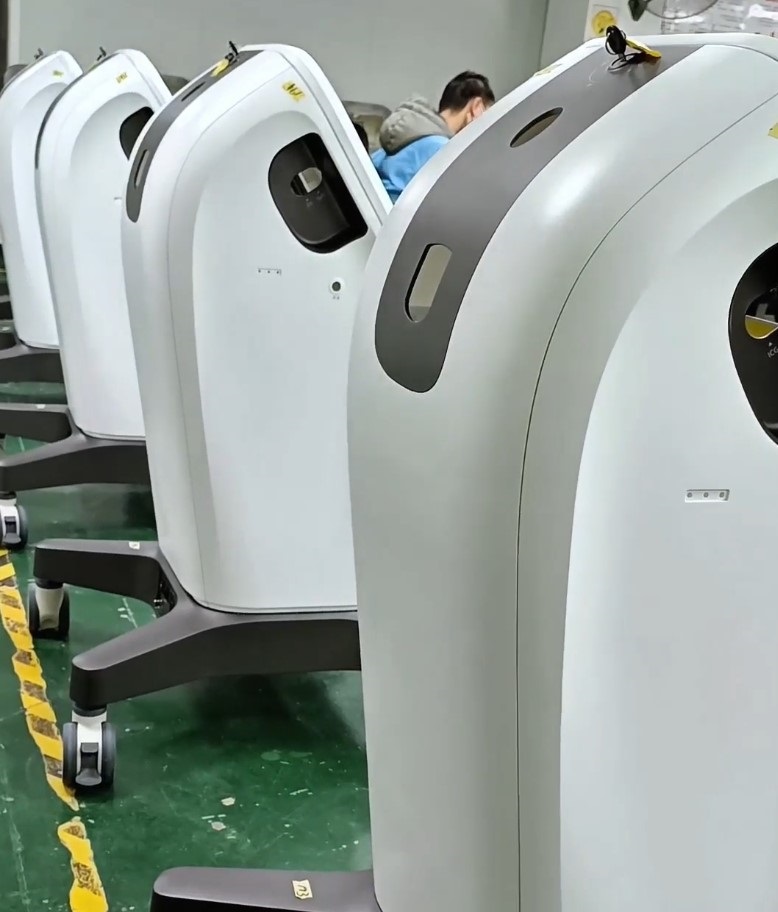
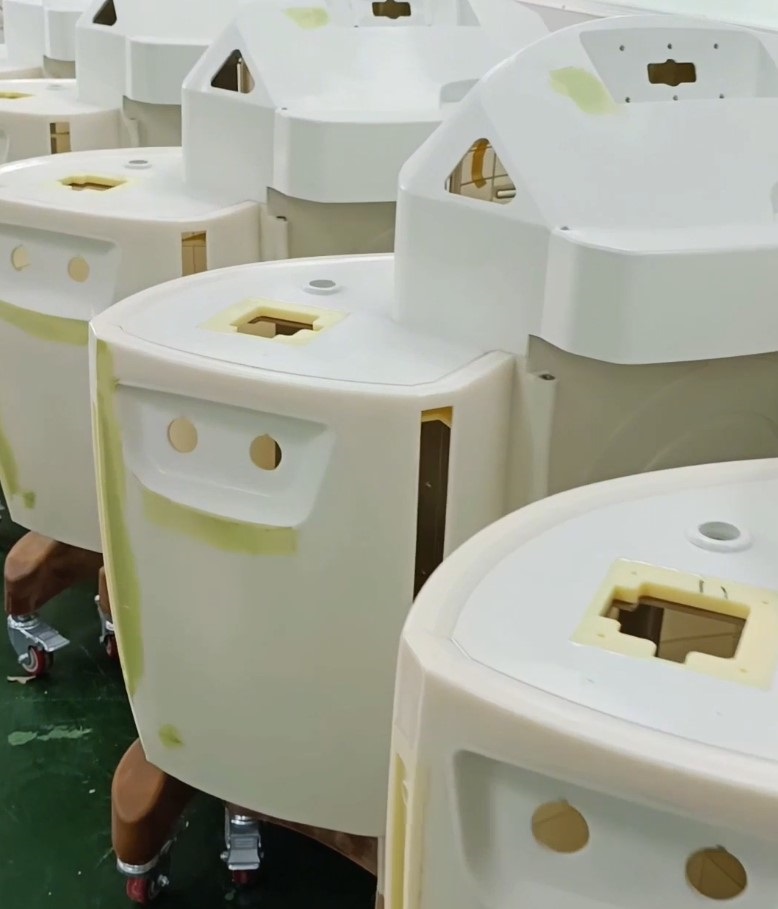
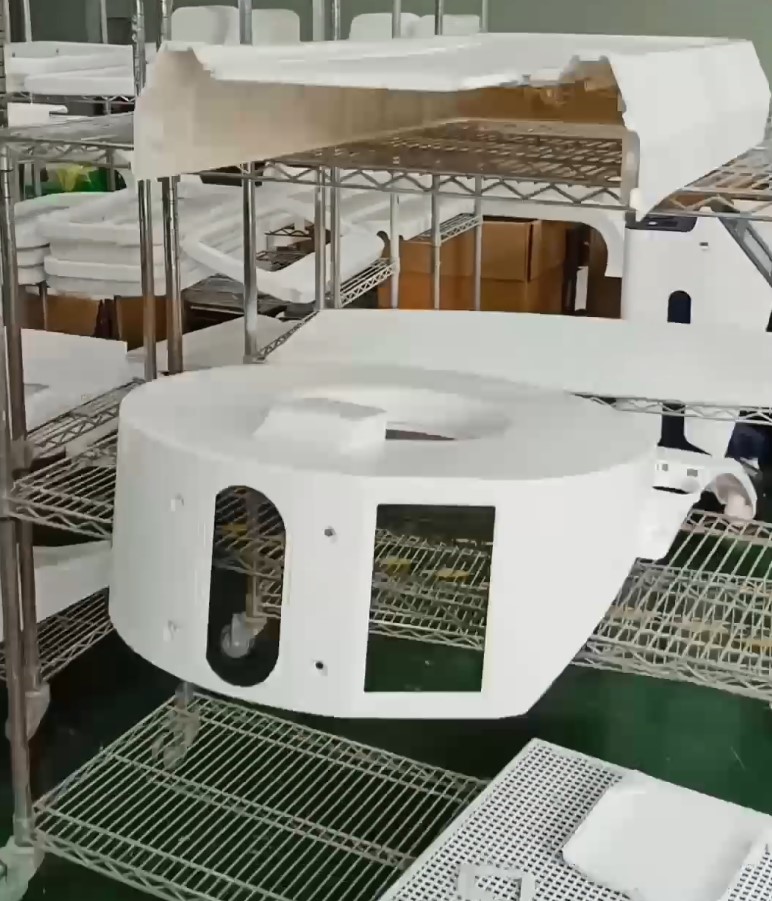
A comprehensive look at how we manufactured a complex medical device prototype using multiple processes.

Main Materials: ABS, PC, PMMA, POM, TPU, Aluminum 6061
Surface Treatment: Painting, anodizing, screen printing
Manufacturing Process:
- CNC Machining: Milling out the basic shape of the product from the material.
- Urethane Casting: cast under vacuum to clone rubber parts
- Manual Finishing: Removing burrs, clearing right angles, checking dimensions , assembly. Sand the product surface with sandpaper.
- Painting: painting based on the Pantone color code provided by the customer.
Why Choose RpProto as Your Prototype Manufacturing Company?
We don’t just make parts—we help you solve engineering problems. Clients choose RpProto as their long-term rapid prototyping company because we deliver consistent quality and real manufacturing expertise.
One-Stop Manufacturer
All prototyping services under one roof
Fast Lead Times
Quick turnaround without compromising quality
Production-Quality
Parts that meet production standards
Competitive Pricing
Cost-effective solutions for every budget


Start Your Prototype Project
Upload your CAD files and receive a fast, accurate quote from a trusted prototype manufacturer.
Supported formats: STEP, STP, IGES, .sldprt, STL, .x_t, .x_b, and more
FAQs
What Is Rapid Prototyping and Why Should I use it?
Rapid prototyping is a series of processes used to quickly create physical plastic or metal prototypes and parts directly from CAD files. Common methods include 3D printing, CNC machining, and urethane casting.
It enables businesses to evaluate form, fit, and function before moving to full-scale production. Rapid prototyping helps reduce development time, lower costs, identify design issues early, improve product quality, and accelerate time-to-market.
Which rapid prototyping technologies and Materials do you offer?
RpProto offers 3D printing (FDM, SLA, SLS), CNC machining, vacuum casting, and sheet metal fabrication. The best method depends on your design, material, and performance requirements.
We use a wide range of materials, including plastics, resins, elastomers, and metals such as aluminum and steel. Material selection depends on strength, flexibility, surface finish, and application needs.
What Are the Main Types of Prototypes?
Types of Prototypes
- Concept Model: An early, low-cost model used to communicate a design idea and test basic form.
- Display Prototype (Looks-Like): Focuses on aesthetics, colors, and surface finish for presentations, trade shows, and marketing.
- Functional Prototype (Works-Like): Designed to test the fit, mechanical strength, and overall performance of the part.
- Pre-Production Prototype (Factory Sample): The final validation of tooling, materials, and manufacturing processes before moving to mass production.
How Many Days Can l Receive My Prototype Parts?
Lead times depend on the process, part complexity, and finish requirements. Typical turnaround times are:
- 3D Printing (FDM/SLA): 1–3 business days for standard parts.
- 3D Printing (SLS): 3–5 business days.
- CNC Machining: 3–7 business days for most parts; complex multi-setup parts may take up to 10 days.
- Urethane Vacuum Casting: 7–12 business days including master mold preparation and casting.
- Sheet Metal Fabrication: 3–7 business days depending on bending complexity and finishing.
Most rapid prototyping orders are completed within days, supported by expedited international delivery. Submit your project to receive a free quotation with confirmed lead time.Please indicate your deadline in the quote request and we will do our best to accommodate it.
What Factors Affect the Cost of My Prototype?
The main cost drivers for rapid prototyping are:
- Manufacturing process: 3D printing is generally the most affordable for early-stage models; CNC machining costs more but offers tighter tolerances and better mechanical properties.
- Material selection: Engineering-grade plastics (e.g., PEEK, PC) and metals (e.g., titanium, stainless steel) cost more than standard ABS or aluminum.
- Part size and wall thickness: Larger or thicker parts consume more material and machine time.
- Geometric complexity: Undercuts, thin walls, and intricate features add machining time and may require specialized tooling.
- Tolerances and surface finish: Tighter tolerances and premium finishes (e.g., painting, anodizing, polishing) increase production time and cost.
- Quantity: Higher quantities reduce the per-unit cost, especially for vacuum casting and injection molding.
To minimize cost without sacrificing quality, our engineers can review your design and suggest process or material optimizations before production begins.
How Do You Handle International Shipping and Customs?
We ship worldwide via major international express couriers including DHL, FedEx, and UPS. Once your order passes final quality inspection, we package parts securely and hand them over to the courier within 1 business day.
For customs clearance, we provide a complete set of export documents with every shipment, including:
- Commercial invoice with accurate HS (Harmonized System) codes
- Packing list specifying dimensions, weight, and quantity
- Certificate of Origin (available upon request)
In most cases, the courier handles customs clearance on your behalf as part of their express service. We declare all shipments honestly and in full compliance with Chinese export regulations and the import regulations of the destination country.